Why Eurostar's new ‘Celestia’ trains are being upgraded to survive Europe's hotter future
As extreme temperatures become increasingly common across Europe, Eurostar is future-proofing its next generation of trains with air conditioning designed to keep passengers moving in temperatures of up to 55C.
Published July 27, 2026
Updated July 22, 2026
By Editorial Team
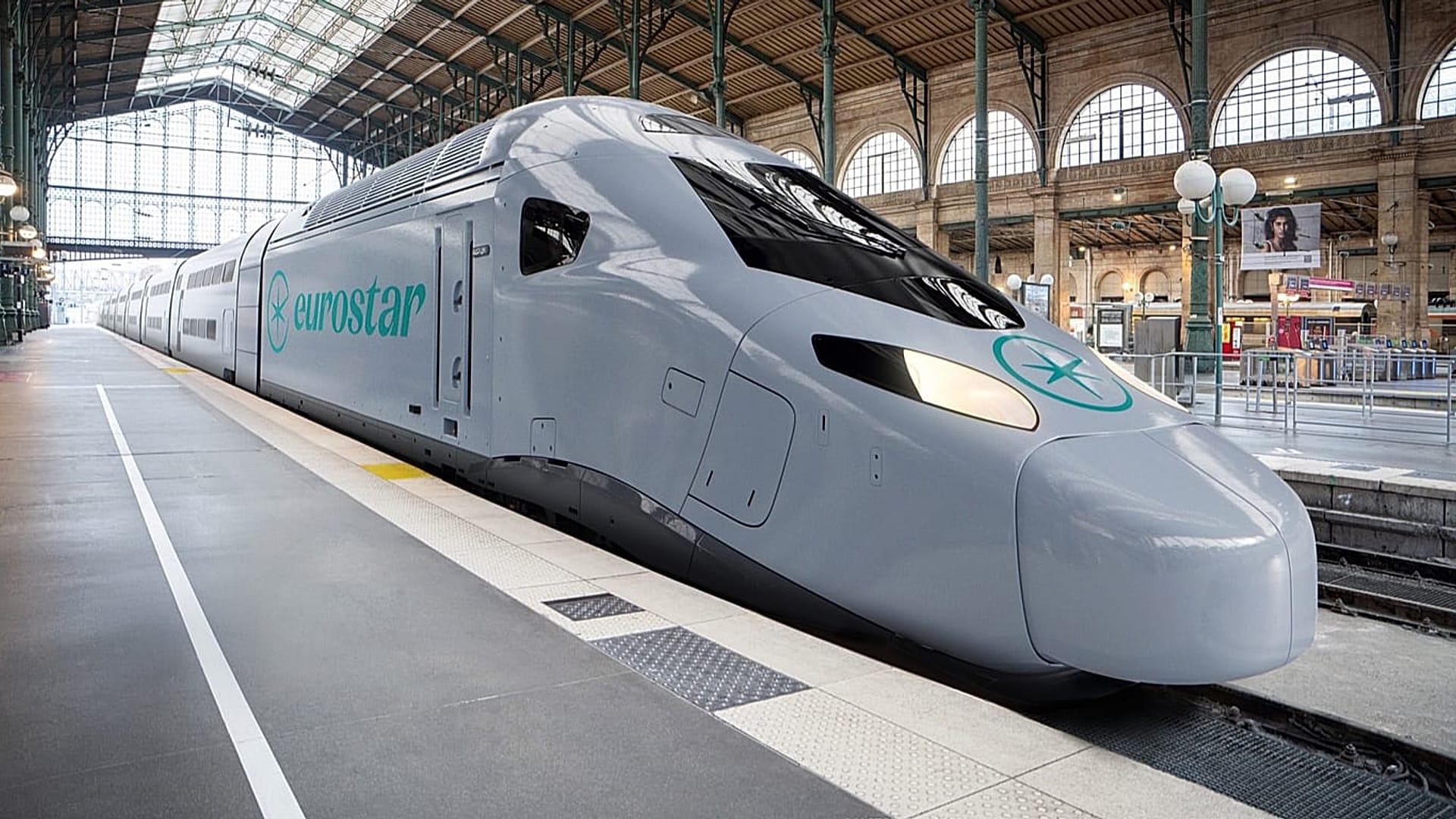
Eurostar is upgrading the air conditioning on its next generation of trains to operate in temperatures of up to 55C, after this summer's heatwaves exposed the vulnerability of Europe's transport networks.
Even high-speed rail is having to adapt to Europe's increasingly severe summers; speed is useful, but it does not make a train heatproof.
With the new trains due to enter service in 2031, and remain in operation for some decades, the operator is betting on a future where today's record temperatures may no longer be exceptional.
Late last year, the company announced it had confirmed an order for new style, double-decker trains. Called ‘Celestia’, these trains were designed to function at temperatures of up to 45C.
It’s now made the decision to opt for up to 50 of the trains which can withstand temperatures up to 55C, following ongoing heatwaves across many parts of Europe which Eurostar serves.
France has been hit particularly hard with the extreme heat conditions. Pissos, a town in the country’s south west, saw temperatures of 44.3C in June – the hottest in all of France since records began.
“A decision has been taken to equip our new fleet of up to 50 Celestia trains with air conditioning capable of operating in temperatures up to 55 degrees,” a Eurostar spokesperson told UK newspaper the Daily Mail.
“These trains will enter service in 2031 and run into the 2060s so it's essential to be prepared for the future.”
What else will change on Eurostar’s new trains?
Apart from the ability to withstand higher temperatures, the trains, built by the Alstom Group, will remain much the same as originally planned.
The double-deckers will be the first to run through the Channel Tunnel and on the UK’s own network.
Four trains between London St Pancras and Paris Gare du Nord were cancelled on a single day, 25 June, as hot weather wreaked havoc across the network.
The new train announcement comes as Eurostar was revealed to contribute £2 billion (€2.34 billion) to the UK economy annually – a figure set to rise over the next decade as international rail travel continues to expand.
They’re expected to be 200 metres long and see seat capacity increased by 20%, with a total of 540 passengers onboard. Each will run between the five countries Eurostar currently serves, as well as the new destinations of Geneva and Frankfurt.
Eurostar has so far ordered 30 of the trains, with the option to add another 20 as it looks to grow passenger numbers to 30 million a year.
Recent disruption has already shown the operator how significantly heat can affect its services.