The World's Most Extreme Waves
Renowned for multiple Guinness World Records including the largest waves ever conquered by both male and female surfers, Nazaré's Praia do Norte represents an extraordinary natural marvel.
Published May 4, 2026
Updated May 4, 2026
By Steven Scott
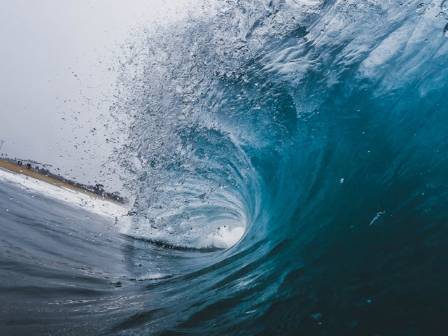
Praia do Norte | Nazaré, Portugal
Renowned for multiple Guinness World Records including the largest waves ever conquered by both male and female surfers, Nazaré's Praia do Norte represents an extraordinary natural marvel. This beach break generates such immense power and force that it has earned the nickname "the surfboard destroyer." The massive swells here were initially mastered by regional bodyboarders and pioneering international athletes like nine-time world bodyboarding champion Mike Stewart. These colossal formations result from four distinct oceanic factors: swell refraction, abrupt seabed elevation, converging wave patterns from the Nazaré Canyon, and localized water channels.
Jaws/Peahi | Maui, Hawaii
At the legendary Jaws break, waves regularly tower between 30 and 80 feet, establishing itself as potentially the Pacific's most rapid, powerful, and massive surf. The location gained global recognition during the 1990s when surfing pioneer Laird Hamilton introduced tow-in surfing using jet skis and specialized boards with foot anchors. This reef break generates a barreling right-hand wave with occasional treacherous left-hand alternatives. The location's unpredictable nature often results in closeout conditions that have caused both equipment destruction and serious injuries.
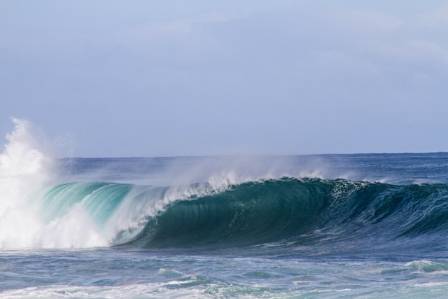
Teahupoo | Tahiti, French Polynesia
Teahupoo stands among the planet's most powerful and hazardous waves. This notorious Tahitian reef produces exceptionally thick, hollow, and rapidly barreling waves that break across a shallow, razor-sharp coral shelf. The wave face typically measures two to three times taller than its back portion, dramatically illustrated by Laird Hamilton's legendary Millennium Wave. This natural phenomenon emerges 500 yards offshore and has tragically claimed the lives of several highly skilled surfers.
Shipstern Bluff | Tasmania, Australia
The name alone conveys the severity of this Tasman Sea surf break. On major swell days, the probability of escaping unscathed falls significantly below the chance of riding these destructive giants without incident. The most terrifying feature remains its distinctive "step" formation. The unique reef topography creates a wave-within-a-wave phenomenon, generating sudden vertical drops that force surfers to navigate abrupt transitions while avoiding the collapsing lip. Access requires either a 30-kilometer jet ski/boat journey or a two-hour trek through Tasman National Park.