The Science of Cookies: Baking the Perfect Batch
Cookies may seem like simple treats, but their texture, flavor, and structure are shaped by precise scientific processes. From the interaction of ingredients to the chemical reactions in the oven, understanding the science behind cookie baking is the key to crafting your ideal batch—whether chewy, crispy, or cakelike. Below, we break down the critical factors that influence cookie success, from baking steps to ingredient choices.
Published May 20, 2026
Updated May 20, 2026
By Chloe
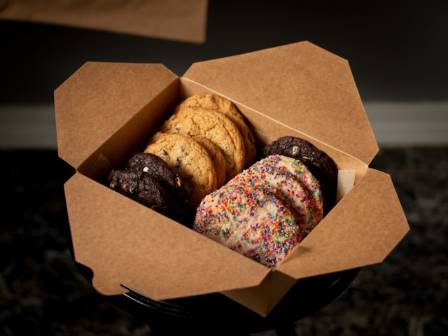
Introduction
Cookies may seem like simple treats, but their texture, flavor, and structure are shaped by precise scientific processes. From the interaction of ingredients to the chemical reactions in the oven, understanding the science behind cookie baking is the key to crafting your ideal batch—whether chewy, crispy, or cakelike. Below, we break down the critical factors that influence cookie success, from baking steps to ingredient choices.
How Cookies Bake: The Step-by-Step Science
When cookie dough enters the oven, a sequence of chemical and physical changes unfolds to create the final product. As the dough warms, butter melts, causing the dough to spread outward; the thinner edges, exposed to more heat and hotter pan surfaces, set long before the thicker center. Meanwhile, melted butter loosens the dough’s structure, allowing water to dissolve baking soda, which reacts with the acid in brown sugar to release gas that makes the cookie rise. Once the oven temperature is high enough, egg proteins and starches coagulate, locking the cookie’s shape in place. The hottest areas—edges and bottom—undergo sugar caramelization as sugar granules melt and brown, while the Maillard reaction (a chemical bond between amino acids and reducing sugars) occurs in proteins, adding rich, nutty, toasted notes similar to those in bread or seared steak. Even after removing cookies from the oven, the process continues: liquified sugars cool and harden, creating crisp edges and bottoms, while trapped air cools and contracts, causing a slight deflation that enhances chewiness.
Choosing Sugar: How It Shapes Flavor and Texture
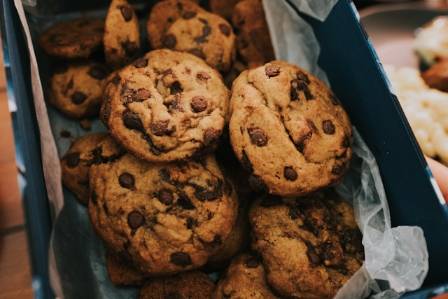
The type and quantity of sugar in cookie dough impact far more than just sweetness—they dictate texture, structure, and moisture. Brown sugar, which contains more moisture and a slight acidic component, produces chewier, taller cookies: the acid reacts with baking soda to boost leavening, while extra moisture keeps the crumb tender. White sugar, by contrast, has less moisture and no acid, leading to crispier, flatter cookies that spread more during baking. Balancing the two sugars lets you customize results—more brown sugar for chewiness, more white sugar for crispness—while adjusting total sugar affects overall sweetness and caramelization potential.
Butter: Creamed, Melted, or Browned?
Butter is a cornerstone of cookie texture and flavor, with its preparation method yielding drastically different results. Creaming butter and sugar incorporates tiny air bubbles into the dough; these bubbles expand in the oven, leavening the cookies into light, fluffy, cakelike treats. Melting butter skips air incorporation, resulting in denser, fudgier cookies with more spread, as the liquid fat doesn’t trap leavening gases. Browning butter—cooking it until milk solids turn golden and release a nutty aroma—evaporates its water content, removing extra moisture from the dough. This produces extremely dense cookies with an intense, toasty flavor, as the browned milk solids add depth beyond regular butter.
Baking Soda vs. Baking Powder: Leavening for Texture
Leavening agents determine how cookies rise and what texture they develop. Baking soda, which requires acid (from brown sugar, buttermilk, or cocoa) to activate, produces dense cookies with craggy, cracked tops; its reaction releases gas quickly, leading to limited rise and a chewy, compact crumb. Baking powder, a pre-mixed leavening agent with built-in acid, activates in two stages (when mixed with wet ingredients and when heated), allowing cookies to rise higher and retain a lighter, cakier texture. Using a combination of both lets bakers balance rise and density, tailoring cookies to their preferred texture.
The Power of Resting Cookie Dough
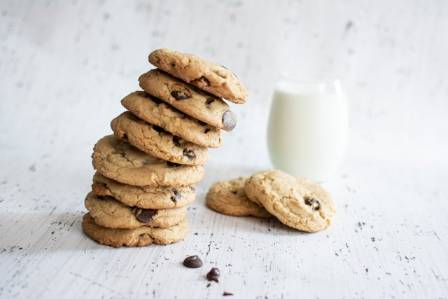
Resting cookie dough is a simple yet transformative step that elevates flavor and texture. After shaping dough into a log and refrigerating for several hours (or days), flour proteins and starches break down, accelerating browning during baking and imparting a rich, butterscotch-like flavor. Chilled dough also melts more slowly in the oven, reducing spread and resulting in thicker, chewier cookies—cold butter keeps the dough structured longer, preventing excess flattening. The resting period also allows flavors to meld, creating a more cohesive, complex taste that fresh dough can’t match.