The Safety of Paragliding: What You Need to Know
Paragliding may seem inherently risky—after all, being suspended high above the ground with only a canopy between you and the earth can appear frightening. However, when we look at the statistics, the reality is far less alarming. A study examining 242,355 paragliding flights between 2004 and 2011 found that only 82 resulted in serious injuries, and of those, 18 were fatal—a mere 0.007%.
Published May 19, 2026
Updated May 19, 2026
By Daniel Cooper
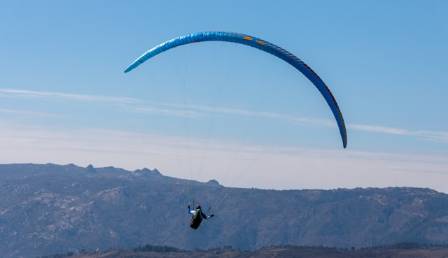
Paragliding may seem inherently risky—after all, being suspended high above the ground with only a canopy between you and the earth can appear frightening. However, when we look at the statistics, the reality is far less alarming. A study examining 242,355 paragliding flights between 2004 and 2011 found that only 82 resulted in serious injuries, and of those, 18 were fatal—a mere 0.007%. For those attempting paragliding for the first time, whether at a certified school or through a tourist operator, there is little to worry about. Initial flights are conducted in tandem with experienced pilots who not only possess extensive flying experience but also excel in explaining the process and ensuring passenger comfort and confidence. Most beginners report that once they are airborne, they feel calm and are able to fully enjoy the stunning views. The key to safe paragliding lies in adopting a systematic approach. Conducting thorough safety checks on equipment and maintaining disciplined flying practices can significantly reduce risk and ensure you continue to enjoy the sport for years to come. One of the most important practices is to maintain close connections with more experienced pilots. Even after earning a solo certification, flying with seasoned paragliders—through clubs or associations such as USHPA in the United States, SAFA in Australia, or the British Hang Gliding and Paragliding Association—helps build experience across varied conditions. Expert pilots can advise on different weather scenarios and provide practical tips for safely navigating them, allowing you to gradually expand your competence and confidence.

Equally crucial is the consistent use of appropriate equipment. A variometer and GPS are essential for monitoring altitude and detecting if you are drifting off course—early indicators of weather shifts or diminishing control. Always ensure you have a reserve parachute, as flying without one is never worth the risk. Furthermore, selecting a paraglider suited to your skill level is essential. Beginners should start with an EN A-rated glider, which offers stability and easier control, rather than jumping straight into a high-performance or cross-country wing designed for advanced pilots. This not only enhances safety but also allows you to enjoy flying without unnecessary difficulty. Routine equipment checks before every flight are non-negotiable, regardless of experience. Wings can be damaged during landing, and lines can tangle when unpacking. Pilots often follow a set order when inspecting gear to avoid missing any component, checking the helmet, wing, lines, harness, and risers carefully. Weather awareness is another cornerstone of safety. Understanding meteorology—thermals, cloud formations, and wind patterns—is vital. Relying solely on online forecasts is insufficient; pilots must be able to recognize weather changes in real time. For thermalling, cumulus clouds are essential as they indicate rising warm air currents, which support flight. Ideal flying conditions are sunny, warm weather with moderate cumulus clouds, though paragliding is possible in cooler or overcast conditions. Unsafe conditions include heavy rain, lightning, or strong winds. Recognizing your own limits is critical, particularly when dealing with challenging wind patterns that may exceed your skill level. Wind direction also impacts safety, as strong headwinds can make takeoff and controlled flight difficult, occasionally necessitating the cancellation of planned flights to avoid accidents.

Finally, maintaining safe distances from obstacles and populated areas is crucial. When flying over roads, buildings, or other potential hazards, ensure there is ample altitude to correct for instability. Avoid flying over large gatherings, schools, sports grounds, or parking lots where a mishap could endanger multiple people. By adhering to these principles—training with experienced pilots, using appropriate equipment, monitoring weather conditions, and maintaining safe distances—paragliding can be a thrilling and relatively safe adventure.