The Most Delightful Facts About Alpacas
Alpacas are often celebrated for their soft fleece and gentle demeanor, but there’s more to these camelids than meets the eye. This piece revisits five intriguing aspects of alpacas—from ancient origins to fiber properties and therapeutic uses—delivering a concise, engaging look at why these animals captivate people worldwide.
Published May 7, 2026
Updated May 7, 2026
By Thomas Allen
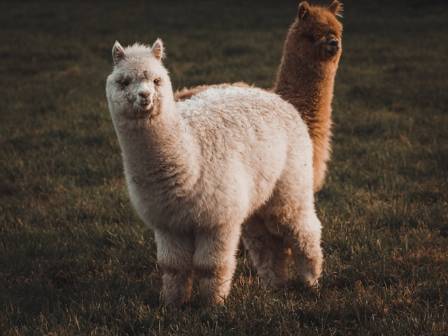
Introduction
Alpacas are often celebrated for their soft fleece and gentle demeanor, but there’s more to these camelids than meets the eye. This piece revisits five intriguing aspects of alpacas—from ancient origins to fiber properties and therapeutic uses—delivering a concise, engaging look at why these animals captivate people worldwide.
1) Alpacas Are An Ancient Domesticate
Alpacas were domesticated more than 6,000 years ago by the Incas, who valued their fleece for its exceptional quality and versatility. Initially kept in the Peruvian Andes’ Puna region, they later spread to lower elevations about 3,800 years ago. Today, alpacas thrive throughout the Andes and are living reminders of a long human–animal relationship. Lifespans typically range from 15 to 20 years, with the oldest recorded individual reaching 27.
2) Their Population Is Growing
Fewer than 50 years ago, alpacas were mostly confined to zoos in the United States. The arrival of importers in 1984 sparked a rapid expansion of populations across the U.S. and Canada. The North American herd now numbers well over 250,000, with Ohio home to one of the highest concentrations. This growth reflects expanding interest in alpaca fiber, breeding programs, and small-scale farming.
3) Alpacas Offer Therapeutic Benefits

Beyond their textile value, alpacas—along with llamas—are increasingly used as therapy animals. Hospitals, care facilities, and retirement homes have welcomed therapy alpacas as part of wellness programs. Organizations that deploy therapy animals note benefits in reducing anxiety, improving mood, and offering companionship, making alpacas valuable in therapeutic settings as hiking partners and bedside visitors.
4) Crya: Baby Alpacas Are Called “Cria”
A newborn alpaca is called a cria, a term that translates from Spanish as “breeding.” Alpacas have a gestation of about 11 months and typically give birth to a single cria, weighing roughly 10–17 pounds at birth. Cria are usually weaned after six to eight months. Adult female alpacas are referred to as hembra, while males are called macho.
5) Their Fleece Differs from Sheep’s Wool
Alpaca fiber is similar to sheep’s wool but warmer and less itchy. It does not contain lanolin, which means processing can occur at lower temperatures and with fewer harsh chemicals. FAO describes alpaca fiber as fine, silky, and naturally colored in a spectrum from reddish-brown to rose-gray. Ethically sourced, sustainable alpaca fiber is important, since most alpacas are shorn annually and the process should prioritize animal welfare. Industry bodies such as the CFDA advocate for organic, Fair Trade Certified, naturally colored, and community-supportive practices.
Conclusion
Alpacas blend ancient heritage with modern appeal. From their resilient fleece to their calming presence as therapy animals, they offer tangible benefits and a touch of whimsy. As awareness grows, responsible stewardship and ethical farming practices will help ensure these gentle creatures continue to enrich ecosystems and communities alike.