The Evolution of Pixel Art: Navigating the Gap Between Retro and Modern
For many enthusiasts, pixel art represents more than just a visual style; it is a profound link to the history of gaming. These structured, blocky graphics carry a distinct elegance that relies on the viewer's creativity rather than the high-fidelity realism of today’s titles. However, it is essential to distinguish between the "retro" pixels of the 8-bit era and the "modern" pixel art found in contemporary independent titles. While both use similar foundations, their technical execution and intended appearance have shifted significantly over the decades.
Published June 2, 2026
Updated June 2, 2026
By Chloe Bennett
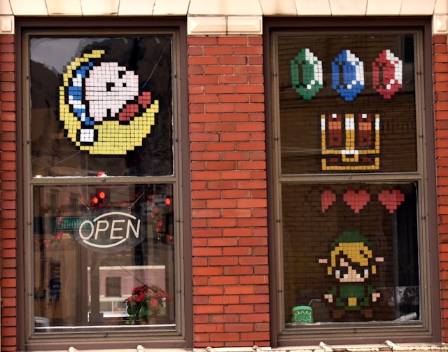
For many enthusiasts, pixel art represents more than just a visual style; it is a profound link to the history of gaming. These structured, blocky graphics carry a distinct elegance that relies on the viewer's creativity rather than the high-fidelity realism of today’s titles. However, it is essential to distinguish between the "retro" pixels of the 8-bit era and the "modern" pixel art found in contemporary independent titles. While both use similar foundations, their technical execution and intended appearance have shifted significantly over the decades.
The Technical Origins of Digital Mosaic Art
Pixel art began as a necessity born from technical limitations. In the early days of computing and arcade gaming, hardware possessed very little processing power and memory. Artists were forced to work with restricted color palettes and low resolutions, placing every single square with extreme intentionality to represent complex shapes. This "forced simplicity" created a lasting aesthetic that remains appealing today because it successfully conveys depth and character within a tiny digital space.
The Influence of the Cathode Ray Tube (CRT)
A crucial factor in the appearance of classic graphics was the display technology of the time: the CRT television. Unlike modern flat-screen monitors that show every edge with clinical sharpness, CRT screens utilized a scanning beam that produced a natural blur. This soft focus effectively smoothed out the rough edges of the pixels, blending colors and creating an illusion of higher detail. For classic artists, these scanlines and the characteristic glow of the tube were tools used to make digital images look more organic and pleasing to the eye.
Modern Indie Interpretations vs. Historical Accuracy
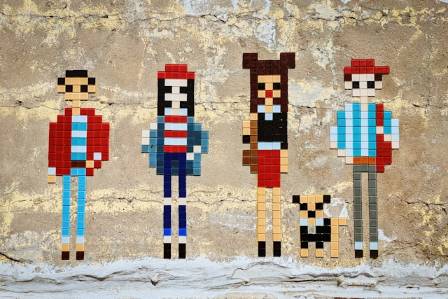
In the current landscape of independent game development, pixel art is experiencing a massive revival. However, there is often a disconnect between modern recreations and their historical counterparts. Some developers today aim for a "lo-fi" look by intentionally making graphics appear chunky or unpolished. In contrast, historical retro art was an attempt to be as sophisticated as possible within the constraints of the 1980s. True retro art prioritized maximizing every available pixel for detail, whereas modern versions sometimes prioritize a minimalist, stylized look that can appear harsher on contemporary high-definition screens.
Mastering Detail in a Miniature Space
The hallmark of professional retro pixel art is the mastery of minute details. Classic games often used clever lighting, subtle shadows, and tiny reflections to give two-dimensional sprites a sense of three-dimensional form. This level of craftsmanship is frequently lost in modern "retro-style" games that favor flat colors and simple shapes. Understanding the interplay between light and shadow at a micro-level is what separates a basic digital drawing from a masterpiece of the genre.
Transitioning to the Modern Display Era
Today, technology allows us to bridge the gap between these two worlds. Developers can now utilize advanced shaders and digital filters to simulate the warmth and scanlines of a CRT on a modern 4K monitor. This allows the art to retain its nostalgic charm without appearing overly blocky or pixelated. For fans of the medium, this evolution provides a way to enjoy the classic aesthetic in a manner that honors the original vision of the artists while utilizing the clarity of modern hardware.
From Screen to Physical Space
The influence of pixel art has moved beyond the digital screen and into the world of physical interior design. The structured nature of pixels makes them a perfect template for mosaic art. Enthusiasts can now bring their favorite digital characters into the real world, using materials like glass tiles to create tactile decorations. By applying the same principles of color and grid-based composition, anyone can transform a blank wall into a tribute to the golden age of gaming.