The Bald Eagle: An Emblem of North American Skies
The Bald Eagle (Haliaeetus leucocephalus) is the national symbol of the United States and one of the most recognizable birds of prey in North America. Known for its dark chocolate-brown body contrasted against a stark white head and tail, this raptor is a member of the Accipitridae family. It belongs to a specialized group of ten species known as "sea eagles" or "fish eagles," which are distinguished by their featherless lower legs and feet, an adaptation suited for their aquatic hunting habits.
Published May 13, 2026
Updated May 13, 2026
By Noah Wright
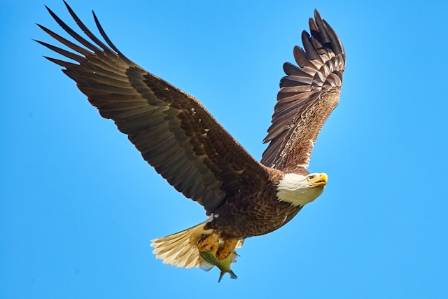
The Bald Eagle (Haliaeetus leucocephalus) is the national symbol of the United States and one of the most recognizable birds of prey in North America. Known for its dark chocolate-brown body contrasted against a stark white head and tail, this raptor is a member of the Accipitridae family. It belongs to a specialized group of ten species known as "sea eagles" or "fish eagles," which are distinguished by their featherless lower legs and feet, an adaptation suited for their aquatic hunting habits.
Historically, the species faced a severe crisis during the mid-20th century due to the widespread use of pesticides like DDT, which thinned eggshells and decimated reproductive success. However, following a ban on these chemicals in the 1970s and rigorous conservation efforts—including reintroduction programs in states like Pennsylvania—the Bald Eagle has made a triumphant comeback. Populations continue to climb, with modern sightings far exceeding the averages recorded during the height of the pesticide era.
Physical Characteristics and Identification
A mature Bald Eagle is a massive bird, boasting a wingspan that ranges from 6 to 7.5 feet and weighing between 6 and 14 pounds. While adults are easily identified by their iconic white plumage on the head and tail, younger eagles look remarkably different. It takes approximately four to five years for a juvenile to acquire its adult colors.
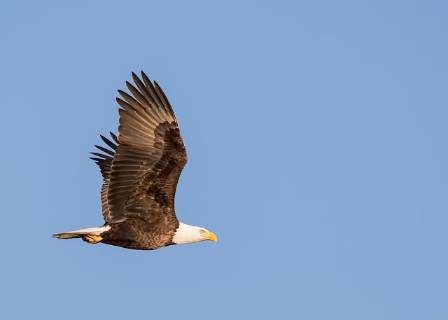
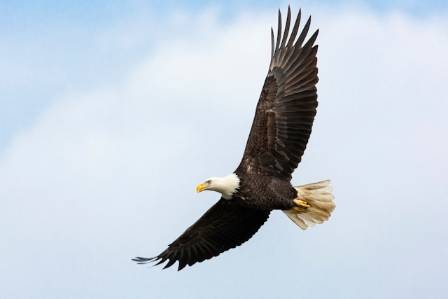
In their first year, juveniles are primarily dark brown with white patches under the wings. By the second and third years, they often exhibit a "mottled" appearance with white bellies and varying facial markings. Because plumage changes annually during this sub-adult stage, identification in the field can be challenging but offers a glimpse into the bird's developmental journey. In flight, they are characterized by their "plank-like" wing profile, held straight out from the body with very few wingbeats as they soar on thermals.
Habitat and Reproductive Biology
Bald Eagles are predominantly found near significant bodies of water, such as lakes, rivers, and coastal regions, where food is plentiful. They are famous for building massive stick nests, often the largest of any North American bird. Some structures reach up to eight feet in width and can weigh nearly two tons. These nests are typically reused and expanded year after year, usually positioned in the tallest trees to provide a clear view of the surrounding territory.
While they are solitary hunters during the breeding season, they can be surprisingly social in the winter, especially in areas where food sources like spawning salmon are abundant. In terms of breeding, Bald Eagles generally mate for life. They produce one brood per year, typically consisting of one to three eggs. Both parents share the responsibilities of incubation and feeding, though the female spends significantly more time at the nest during the early weeks of the chicks' lives.
Dietary Habits and Opportunistic Survival
Although fish are their preferred meal, Bald Eagles are highly opportunistic carnivores. Their diet is diverse, encompassing waterfowl, small mammals, amphibians, and reptiles. They are also notorious scavengers; it is common to see an eagle feeding on carrion or even congregating at refuse sites.
Furthermore, they frequently engage in "kleptoparasitism"—the act of stealing food from other predators. They are known to harass Ospreys and other raptors until the smaller birds drop their catch, which the eagle then retrieves. This behavior is especially common during the non-breeding season when energy conservation is paramount.
Patterns of Migration
The Bald Eagle is considered a partial migrant. In warmer coastal areas or southern states, many eagles remain sedentary year-round. However, those nesting in northern inland regions, where water freezes over, must travel south to find open water for fishing.
Their migration is largely dictated by weather and food availability. They primarily move during the warmest parts of the day, utilizing rising columns of warm air called thermals to soar and conserve energy. Interestingly, southern populations—such as those in Florida—exhibit a unique "reverse" migration pattern where young birds fly north after fledging to spend the summer in cooler climates before returning south for the winter.
Conservation Status and Modern Challenges
The recovery of the Bald Eagle is one of the greatest success stories in wildlife conservation. From a low point in the 1970s, the species has rebounded to the point where it was removed from the federal Endangered Species List in 2007. Today, it is estimated that over 100,000 Bald Eagles live across North America.
Despite this success, the species still faces human-related threats. These include habitat loss due to shoreline development, lead poisoning from ingesting spent ammunition in carrion, and collisions with power lines or vehicles. Continued monitoring and habitat protection remain essential to ensure that this national icon continues to thrive in the wild.