Ink Wash Painting: Art Technique
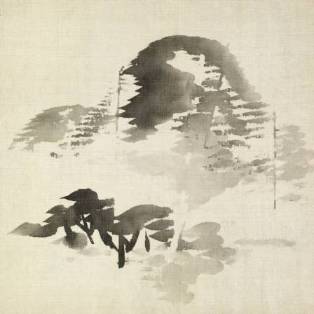
Ink wash painting, referred to as “sumi-e” in Japan and “shui mo hua” in China, has a history spanning more than a millennium. Its roots are traced back to the Tang Dynasty (618–907 AD) in China, emerging as a distinctive art form influenced by calligraphy, emphasizing expressive, fluid brush strokes.
Published May 26, 2026
Updated May 26, 2026
By Peter Shaw
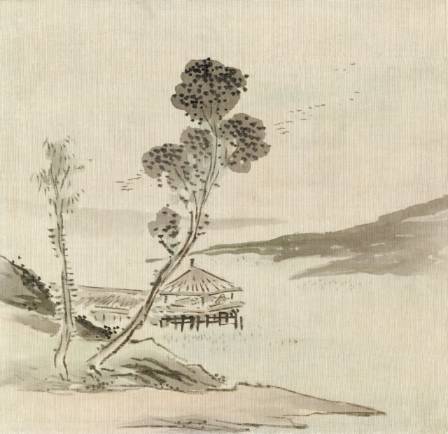
Ink wash painting, referred to as “sumi-e” in Japan and “shui mo hua” in China, has a history spanning more than a millennium. Its roots are traced back to the Tang Dynasty (618–907 AD) in China, emerging as a distinctive art form influenced by calligraphy, emphasizing expressive, fluid brush strokes.
Over time, ink wash painting evolved into a vehicle for philosophical and spiritual expression, especially under Daoist and Buddhist influences, which valued simplicity and harmony with nature. By the Song Dynasty (960–1279 AD), the art form reached a high level of refinement. Artists explored the interaction of light and shadow, crafting landscapes that evoked the mood and spirit of the natural world. Renowned painters like Fan Kuan and Guo Xi became known for their ability to convey emotion through depictions of mountains, rivers, and forests.
By the 14th century, ink wash painting had spread to Japan, influencing Japanese aesthetics and giving rise to the Zen-inspired style known as “sumi-e.” Over successive centuries, the art continued to develop, each period contributing new stylistic approaches while preserving the essence of traditional practice.
Key Points and Summary
Ink wash painting originated in China during the Tang Dynasty and later influenced Japanese and Korean art.
Traditional materials include ink sticks, ink stones, specialized brushes, and rice paper or silk.
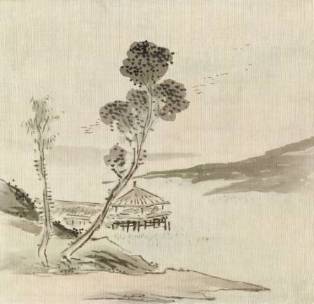
Techniques include wet-on-wet, dry brush, layering, and splattering.
Mastery of brushwork, emphasizing rhythm, control, and expression, is essential.
Common subjects include landscapes, plants, animals, and calligraphy.
Tools and Materials
Materials are central to ink wash painting. Ink is traditionally made from soot combined with a binder and ground on an ink stone. The concentration of ink and water creates a range of tones from deep black to soft gray.
Brushes, typically made of goat, wolf, or rabbit hair, allow artists to achieve various stroke widths and textures, from delicate lines to broad washes. Rice paper or silk, prized for its absorbency and texture, enables smooth ink flow while retaining the fluidity of brushwork. These choices affect both the aesthetic and the artistic intent of each piece.
Techniques and Methods
Ink wash painting relies on techniques that shape its visual language. Wet-on-wet application produces soft edges and blended tones, while wet-on-dry yields sharp lines and clear forms. Layering multiple washes builds depth, contrast, and tonal variation. Artists often start with light washes and gradually add darker tones for natural gradation. Splattering or dripping adds texture and spontaneity, reflecting the artist’s mood and energy.
The Role of Brushwork
Brushwork is the heart of ink wash painting, functioning both technically and expressively. Each stroke conveys emotion, from calm and tranquility to tension and motion. Brushwork is closely linked to Chinese calligraphy principles—balance, rhythm, and flow. Many artists train in calligraphy for years before painting, understanding that control over the brush is vital. The balance between spontaneity and precision creates dynamic compositions that engage viewers.
Common Subjects
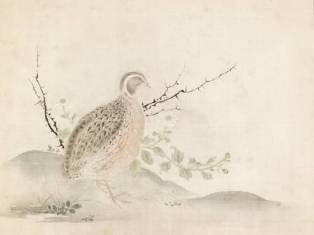
Ink wash painting often draws inspiration from nature, philosophy, and daily life. Landscapes are a prominent theme, symbolizing harmony, endurance, and spiritual balance. Flowers, birds, and figures from myth or literature are also frequent subjects, providing moral or contemplative narratives. The simplicity of subjects encourages viewers to connect personally and reflect on broader meanings.
Notable Artists
Zhang Daqian (1899–1983) innovatively merged traditional techniques with modern approaches, producing vibrant landscapes full of motion. Sesshū Tōyō (1420–1506), a Japanese monk, exemplified Zen aesthetics with minimal brushwork and subtle tonal shifts. Both artists demonstrate how ink wash painting can convey emotion, depth, and philosophical resonance.
Contemporary Practice
Today, ink wash painting is experiencing renewed interest. Artists are exploring modern materials, digital techniques, and mixed media while maintaining traditional principles. Art schools and workshops worldwide are teaching both classical and contemporary methods, encouraging students to develop personal expression through ink.
Advice for Beginners
Beginners should practice regularly to master brush control. Experiment with different strokes, papers, and ink concentrations to understand how materials interact. Studying traditional works helps with composition, balance, and emotional expression. Embracing spontaneity and being open to mistakes can lead to unique discoveries and artistic growth.
Exploring other artists, like Picasso, who experimented across mediums and styles, can provide additional insight into combining traditional techniques with innovative expression. Ink wash painting offers a rich, meditative, and deeply expressive art form for both historical appreciation and modern creativity.