Fascinating Insights Into the World of Squirrels
National Squirrel Appreciation Day, observed every January 21st, highlights the charm and entertainment provided by these ubiquitous rodents. Beyond their playful antics, squirrels serve various ecological roles, acting as unintentional foresters, agile athletes, and clever survivors. Understanding their unique behaviors reveals why these animals are such a remarkable part of our natural surroundings.
Published May 27, 2026
Updated May 27, 2026
By Brandon Ellis
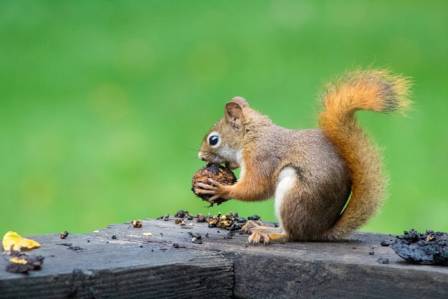
National Squirrel Appreciation Day, observed every January 21st, highlights the charm and entertainment provided by these ubiquitous rodents. Beyond their playful antics, squirrels serve various ecological roles, acting as unintentional foresters, agile athletes, and clever survivors. Understanding their unique behaviors reveals why these animals are such a remarkable part of our natural surroundings.
Winter Survival and Foraging Skills
During the freezing winter months, squirrels possess an incredible ability to locate food. Certain species can detect the scent of nuts buried under as much as a foot of snow. Once they catch the aroma, they excavate tunnels through the drifts to recover their hidden supplies—or occasionally, the caches of other squirrels. This keen sense of smell is vital for their survival when resources are scarce.
Constant Dental Growth
A hallmark of all rodents is their continuously growing front teeth. This biological trait is reflected in the origin of the word "rodent," which comes from the Latin term for "gnaw." Because their incisors never stop lengthening, squirrels must constantly chew on hard materials to wear them down, ensuring their teeth remain at a functional and manageable length.
Dealing with Food Theft
Maintaining a winter pantry is a significant challenge for squirrels that use a strategy known as scatter hoarding. Because they hide food in numerous locations, it is difficult to guard every cache. Research suggests that squirrels may lose up to a quarter of their hidden nuts to "thieves," which include both fellow squirrels and opportunistic birds looking for an easy meal.
Defensive Maneuvers and Evasion
To escape the talons of hawks and other natural predators, squirrels utilize a distinct zigzag running pattern. This erratic movement makes it difficult for a hunter to predict their path and find a clear opening for a strike. While this serves them well in the wild, it is unfortunately less effective against modern vehicles, making it important for drivers to remain vigilant when squirrels are nearby.
The Art of Deception
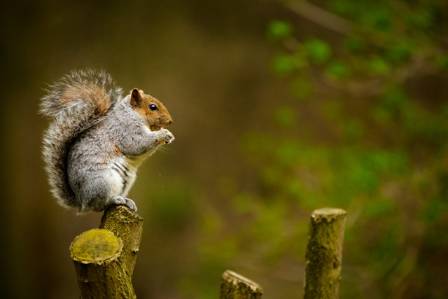
Squirrels exhibit high levels of intelligence, particularly when it comes to protecting their food. They have been seen practicing "deceptive caching," where they dig a hole and mimic the motions of burying a nut without actually leaving one behind. This elaborate ruse is designed to mislead watching rivals, sending them on a wild goose chase while the actual food remains safely hidden elsewhere.
Humble Beginnings and Growth
At birth, a squirrel is remarkably tiny, measuring only about one inch in length. These fragile newborns require specialized care if they are separated from their mothers. If you encounter an infant squirrel in the wild, it is essential to contact a professional wildlife rehabilitator to ensure it receives the proper treatment and the best possible opportunity for survival.
Introduction to Urban Landscapes
The presence of squirrels in major American metropolitan parks is not an accident of nature; it was a deliberate choice. During the 19th century, humans intentionally introduced squirrels to urban parks to bring a touch of the wilderness to the city. These populations thrived, eventually becoming the familiar park residents we see today.
Agility and Problem Solving
Anyone who has ever attempted to install a bird feeder knows that squirrels are master problem solvers. Their athletic ability and persistence allow them to overcome most obstacles. Their combination of physical dexterity and mental sharpness makes them one of the most adaptable species living alongside humans.
Seasonal Physical Changes
To combat the biting cold of winter, squirrels employ a physical strategy: they bulk up. By increasing their body mass and putting on extra weight during the autumn, they create a layer of insulation that helps them retain body heat and provides a calorie reserve for when food becomes difficult to find.
Unintentional Reforestation
One of the most significant benefits squirrels provide to the environment is entirely accidental. Because they fail to retrieve every nut they bury, many of those forgotten seeds eventually germinate and grow into trees. This process has led to the planting of countless oaks and other trees, making squirrels key contributors to the expansion of our forests.