Fascinating Chronicles and Statistics of the American Pickup Truck
The pickup truck stands as a pillar of utility and dependability, serving as an indispensable tool for millions. It is a vehicle characterized by its immense flexibility, capable of transitioning seamlessly from a rugged workhorse to a comfortable daily commuter. Given its multifaceted nature, it is no surprise that the pickup remains the most popular automotive choice across the United States, reflecting a deep-seated cultural and practical appreciation for this iconic machine.
Published May 26, 2026
Updated May 26, 2026
By Stella Marie Blackwell
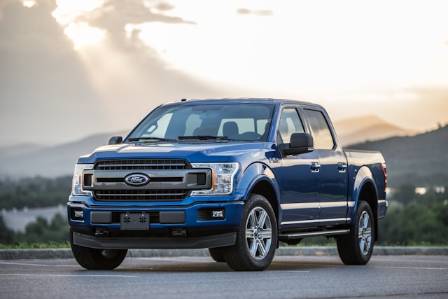
The pickup truck stands as a pillar of utility and dependability, serving as an indispensable tool for millions. It is a vehicle characterized by its immense flexibility, capable of transitioning seamlessly from a rugged workhorse to a comfortable daily commuter. Given its multifaceted nature, it is no surprise that the pickup remains the most popular automotive choice across the United States, reflecting a deep-seated cultural and practical appreciation for this iconic machine.
Market Dominance and Century-Long Heritage
In the United States, the preference for trucks is overwhelming compared to other global markets. Approximately 18% of all automotive transactions in the U.S. involve a pickup truck, meaning nearly one out of every five vehicles hitting the road is a truck. This stands in stark contrast to Europe, where pickups account for a mere 1% of total sales. This American affection for the bed-and-cab configuration has persisted for over a hundred years.
The civilian truck era began in earnest in 1917 with Henry Ford’s Model TT, a one-ton vehicle adapted from military designs. Initially, these early trucks were sold as a chassis only, requiring owners to outsource the construction of the wooden beds. Chevrolet quickly followed suit in 1918 with the Model 490. From these utilitarian beginnings, the segment has evolved into a powerhouse of the modern economy.
Versatility Beyond the Job Site
While the pickup is engineered for heavy lifting and towing thousands of pounds, the majority of owners do not use them for industrial purposes on a full-time basis. Statistics indicate that only 15% of truck owners utilize their vehicles primarily for professional labor. The true appeal lies in their adaptability; a truck can serve as a professional office transport during the workweek and transform into a recreational gateway on the weekend, capable of hauling trailers to the coast or assisting friends with household moves.
The Ford F-Series epitomizes this enduring popularity, maintaining its position as the top-selling vehicle in America since the early 1980s. To visualize its massive scale, if every F-Series truck ever manufactured were lined up bumper-to-bumper, the chain would wrap around the globe three times. This legacy continues to innovate, with the recent integration of hybrid and electric powertrains ensuring the model remains relevant in a changing energy landscape.
Cultural Impact and Celebratory Traditions
The influence of the pickup truck extends into the realms of professional sports and national "holidays." Since 1995, NASCAR has featured a dedicated Truck Series, where modified pickups from major manufacturers like Toyota, Ford, and Chevrolet compete at high speeds. This series highlights the performance potential of a vehicle platform often associated with slow-speed hauling.
Furthermore, the truck has inspired unique social traditions. July 20 is recognized as National Ugly Truck Day, a time to honor the seasoned, dented, and rusted vehicles that have provided years of loyal service. Additionally, the first Saturday of September marks National Tailgating Day. This celebration of the return of football season turns the truck bed into a mobile social hub, proving that a pickup is as much about community and celebration as it is about cargo and towing.