Dhammayangyi Temple: A Monumental Gem in Bagan
Among the countless sacred structures scattered across Bagan, Dhammayangyi Temple stands out for its immense scale and haunting legend. Situated roughly a kilometer southeast of Bagan’s city walls, en route to Minnanthu, this imposing monument closely resembles the layout of the Ananda Temple.
Published May 3, 2026
Updated May 3, 2026
By Max
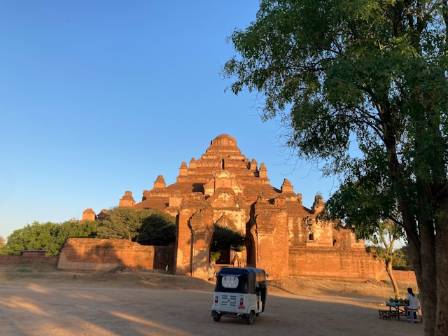
Among the countless sacred structures scattered across Bagan, Dhammayangyi Temple stands out for its immense scale and haunting legend. Situated roughly a kilometer southeast of Bagan’s city walls, en route to Minnanthu, this imposing monument closely resembles the layout of the Ananda Temple.
A Temple Built in Guilt
Dhammayangyi was commissioned by King Narathu, who reigned from 1167 to 1170. According to local lore, Narathu constructed the temple in a desperate act of atonement for the brutal murders of his father, brother, and queen—crimes committed to secure his rule. Ironically, he met a violent end himself before the structure could be completed. Because of this grim backstory, locals refer to it ominously as “The Ghost Temple.”
An Unfinished Interior and Its Mysteries
Following the king’s death, construction came to an abrupt halt. Today, large portions of the temple’s interior—especially three out of four central sanctums—remain buried beneath rubble. Some believe the debris was never cleared due to the harshness of Narathu’s reign. Others suggest it may have been left intentionally, possibly to trap the restless spirit of the tyrant within the temple walls.
Craftsmanship Bound by Fear
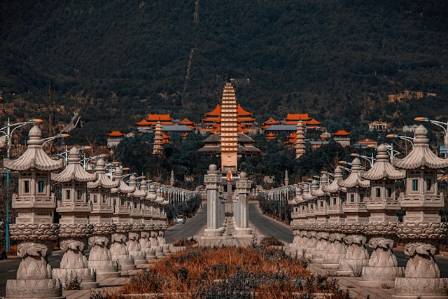
Despite being incomplete, Dhammayangyi is revered for its flawless brickwork. Artisans of the time were held to impossible standards—stories tell of workers being maimed or executed if their masonry didn’t meet the king’s expectations. The bricks were fitted with such precision that even a needle couldn't be inserted between them.
Architectural Design and Layout
The base of the temple spans approximately 78 meters, with a 25-meter-long core chamber connected by a series of grand corridors, vaulted ceilings, and ornamental false doors. Each passageway leads to Buddha images of varying styles and colors, while smaller alcoves contain miniature sculptures and pedestal carvings.
The Tower That Once Was
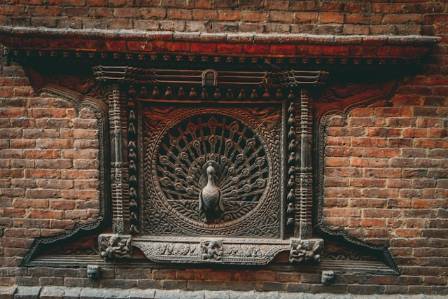
Historically, the temple was crowned with a sikhara—a Northern Indian-style spire—which has since collapsed due to harsh weather over the centuries. The structure is still surrounded by thick walls and large arched gateways that guide visitors toward the main shrine.
A Timeless Legacy
Although shrouded in tales of betrayal and mystery, Dhammayangyi Temple is a masterclass in ancient construction and symbolism. Its grand corridors, precise brickwork, and spiritual depth make it a compelling stop on any Bagan journey—both for its architectural grandeur and the eerie stories etched into its stones.