7 Vital Functions of Coral Reefs
Coral reefs, often called the “rainforests of the sea,” are among the most remarkable ecosystems on the planet. Although they cover less than 0.1% of Earth’s surface, these underwater cities burst with life and diversity. Stretching across tropical waters, they host thousands of fish, plants, and invertebrates, while also shaping the livelihoods of millions of people worldwide. Beyond their beauty, coral reefs perform critical functions that support both marine life and human society.
Published May 27, 2026
Updated May 27, 2026
By Gabriel
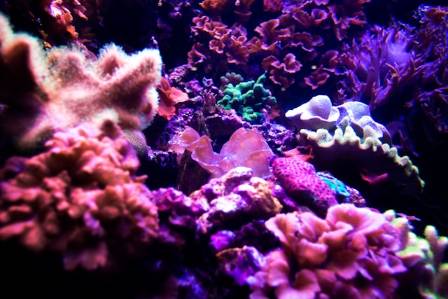
Coral reefs, often called the “rainforests of the sea,” are among the most remarkable ecosystems on the planet. Although they cover less than 0.1% of Earth’s surface, these underwater cities burst with life and diversity. Stretching across tropical waters, they host thousands of fish, plants, and invertebrates, while also shaping the livelihoods of millions of people worldwide. Beyond their beauty, coral reefs perform critical functions that support both marine life and human society.
Coastal Protection
One of the most important roles of coral reefs is shielding coastlines. Their complex structures act as natural barriers, absorbing the force of waves and tropical storms. Without reefs, many shorelines would be vulnerable to erosion, flooding, and destruction during hurricanes or typhoons. For island nations in particular, reefs are a first line of defense that preserves beaches, homes, and infrastructure.
Habitat and Shelter
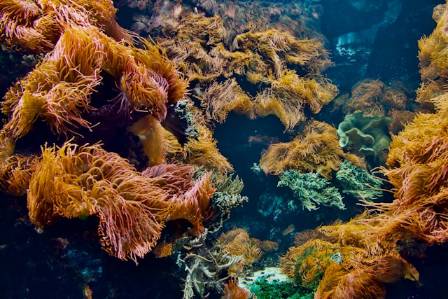
Reefs are home to an extraordinary variety of species. Countless fish, mollusks, crustaceans, and marine plants find food, shelter, and breeding grounds among the corals’ intricate formations. For many species, reefs are nurseries where young fish can grow safely before venturing into open waters. This makes coral reefs one of the most vital ecosystems for sustaining global marine biodiversity.
Nutrient Cycling
Beyond providing shelter, reefs contribute to the balance of the ocean by cycling nutrients. They supply nitrogen and other essential elements to marine food webs, while also participating in carbon and nitrogen fixation. These processes sustain plankton, fish, and larger predators, ensuring the health of entire ocean systems.
Support for Fisheries
The global fishing industry depends heavily on reefs. Many commercially important fish species spawn within reef systems, and young fish spend their early life stages there before moving offshore. Without reefs, the supply of fish such as groupers, snappers, and parrotfish would collapse, jeopardizing both food security and economic stability for communities that rely on fishing.
Tourism and Economy
Reefs also play a major role in tourism, drawing millions of visitors who want to dive, snorkel, or simply admire the vivid underwater scenery. This tourism generates billions of dollars annually and supports countless jobs. The Great Barrier Reef alone contributes over $1.5 billion each year to the Australian economy, through fishing, diving tours, and eco-travel.
Climate and Environmental Records
Coral reefs are more than living ecosystems—they are also natural archives of environmental history. Layers of coral growth capture a record of climatic conditions, including past storms, sea temperature changes, and even human impacts such as pollution. Studying these records provides scientists with crucial insights into climate change and helps predict future trends.
Medical Resources
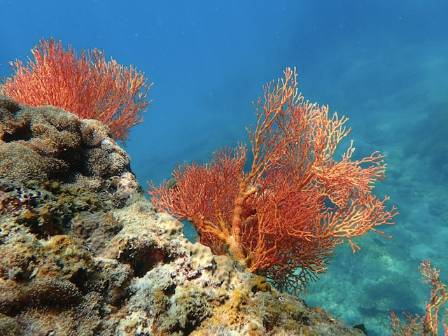
Another remarkable function of coral reefs lies in medicine. Many reef organisms produce unique chemical compounds that have led to breakthroughs in treating cardiovascular disease, ulcers, leukemia, lymphoma, and even skin cancer. This has earned reefs the nickname “medicine chests of the sea,” highlighting their importance not just for marine health but for human well-being as well.
Conclusion
Coral reefs are far more than colorful attractions beneath the waves. They protect coastlines, sustain fisheries, recycle nutrients, preserve environmental history, and even offer life-saving medicines. For millions of people, reefs provide food, income, and security. Their value is both ecological and economic, both scientific and cultural. As climate change and human activities threaten these fragile ecosystems, recognizing their functions is the first step toward ensuring their survival. Safeguarding coral reefs means safeguarding the health of our oceans and, ultimately, our planet.