5 Myths and Truths Behind Manhattan’s Skyscrapers
For decades, many believed Manhattan’s forest of skyscrapers could be credited to its unique geology. The story went that solid bedrock lying close to the surface made it easier to construct towering buildings, while softer ground in the island’s center kept heights in check. It was a tidy explanation, passed along since the 1960s, but recent research shows this story may be more fiction than fact.
Published May 3, 2026
Updated May 3, 2026
By Phoenix
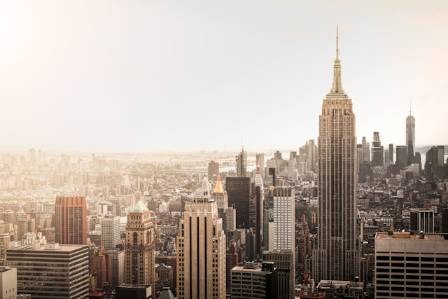
For decades, many believed Manhattan’s forest of skyscrapers could be credited to its unique geology. The story went that solid bedrock lying close to the surface made it easier to construct towering buildings, while softer ground in the island’s center kept heights in check. It was a tidy explanation, passed along since the 1960s, but recent research shows this story may be more fiction than fact.
The Bedrock Belief
In 1968, geologist Christopher J. Schuberth helped cement the idea that Manhattan’s skyline was shaped by the depth of its bedrock. His theory suggested skyscrapers clustered in areas where builders could anchor foundations just meters below the surface, while softer zones limited vertical ambition. Like the Empire State Building itself, this idea stood tall for decades.
The Economists’ Rebuttal
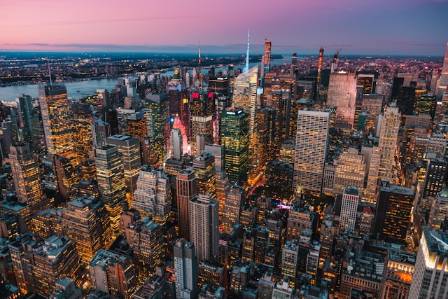
Jason Barr, an economics professor at Rutgers, along with colleagues Troy Tassier and Rossen Trendafilov, challenged this long-accepted explanation. In their study published in The Journal of Economic History, they examined 173 core samples taken from the Battery to Central Park South. Their findings showed no significant connection between shallow bedrock and tall structures. For them, skyscraper growth was not a matter of supply but demand.
Building Big on Deep Ground
The team highlighted striking examples. Around City Hall, where the bedrock lies at its deepest—roughly 45 meters below the surface—developers still constructed monumental towers. Joseph Pulitzer’s New York World Building, at 349 feet, and Frank Woolworth’s famous Woolworth Building followed soon after, both proving that foundation depth was not a deal-breaker for ambitious projects.
Costs That Hardly Matter
By analyzing historical construction costs, Barr and his colleagues determined that digging deeper foundations only added about 7 percent to expenses. When compared to the sky-high cost of Manhattan land, that figure was negligible. Location, rather than geology, dictated the city’s development patterns. Builders went where the people and money were, not where the rock was closest.
Following the People
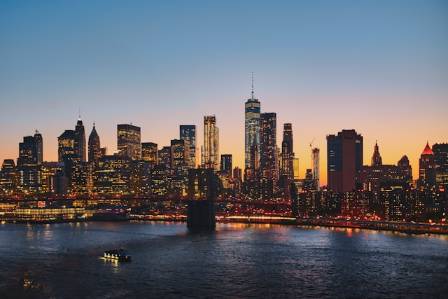
So why did skyscrapers migrate uptown? The answer lies in demographics. As wealthy families and the middle class moved northward, so did demand for office towers. Developers weren’t chasing strong bedrock—they were following their customers. Cheap plots in areas like Five Points or Soho were ignored because no respectable businessman wanted to operate in neighborhoods filled with factories or tenements.
Conclusion
The “Manhattan bedrock myth” makes for a neat tale, but the truth is more pragmatic. Skyscrapers rose where economic opportunity and social shifts demanded, not where rock layers allowed. Manhattan’s skyline was ultimately shaped by people and profits, not geology. The next time you admire the Empire State Building or gaze at the towers downtown, remember—it wasn’t the ground beneath that determined their height, but the ambitions above.