12 Surprising Coffee Facts Every Enthusiast Should Know
For millions worldwide, coffee is more than just a beverage—it's an essential daily ritual. From morning espressos to afternoon cold brews, this aromatic drink fuels our days and warms our moments. While the average American enjoys three cups daily, did you know the world's most passionate coffee drinkers are actually found in Nordic countries like Finland and Sweden?
Published May 18, 2026
Updated May 18, 2026
By Maya Rodriguez
For millions worldwide, coffee is more than just a beverage—it's an essential daily ritual. From morning espressos to afternoon cold brews, this aromatic drink fuels our days and warms our moments. While the average American enjoys three cups daily, did you know the world's most passionate coffee drinkers are actually found in Nordic countries like Finland and Sweden? From its ancient origins to modern brewing techniques, coffee continues to surprise us. Here are 12 fascinating facts that will change how you see your favorite brew.
Coffee "Beans" Are Actually Seeds
What we call coffee beans are actually the pits found inside bright red coffee cherries. These stone fruits grow on tropical shrubs across Africa, Asia, and the Americas, with each cherry typically containing two green seeds that eventually become the roasted beans we recognize.
Fresh-Picked Coffee Is Naturally Green
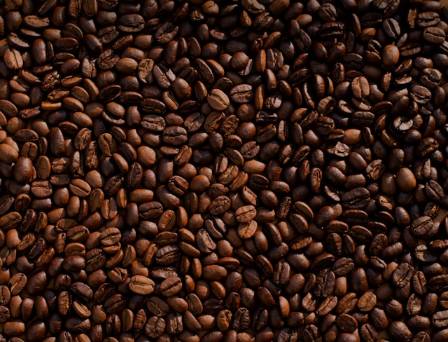
Before roasting, coffee beans appear vibrant green with a smooth texture and fresh, grassy aroma reminiscent of unroasted nuts. The roasting process transforms them, developing the rich brown color and complex flavors—from chocolatey notes to caramel undertones—that we associate with quality coffee.
Brazil Dominates Global Coffee Production
Accounting for approximately one-third of the world's coffee supply, Brazil stands as the undisputed coffee production leader. The country's ideal climate and soil conditions allow it to cultivate various bean types, including popular Arabica, Robusta, and the less common Liberica varieties.
The Legend of the Dancing Goats
Historical accounts trace coffee's discovery to 15th-century Ethiopia, where legend tells of a goatherd named Kaldi. He noticed his goats became unusually energetic after eating certain berries. After trying them himself, he experienced renewed alertness—leading local monks to create a brew that helped them maintain focus during long prayer sessions.
Arabica vs. Robusta: Understanding the Difference
While countless coffee varieties exist, two main types dominate the market:
Arabica: Known for its smooth, aromatic qualities and pleasant acidity
Robusta: Recognized for its stronger, more bitter profile and higher caffeine content Less common varieties include Liberica, with its distinctive smoky notes, and Excelsa, prized for its fruity complexity.
The World's Original Coffeehouse Culture Began in Turkey
The first established coffeehouse opened in Istanbul in 1475. Named "Kiva Han," it quickly evolved into a vibrant social hub where intellectuals, writers, and philosophers gathered to exchange ideas—establishing the coffee shop as a center for community and conversation, a tradition that continues today.
Starbucks: The Global Coffee Giant
With over 30,000 locations across 75 countries, Starbucks reigns as the world's largest coffee chain. Founded in Seattle in 1971, the company maintains its strongest presence in the United States, followed by China as its second-largest market.
Light Roasts Pack More Caffeine
Contrary to popular belief, lightly roasted beans contain more caffeine than their dark-roasted counterparts. The shorter roasting time preserves more natural caffeine, while extended roasting creates darker beans with bolder flavor but less caffeine content.
The World's Priciest Coffee Comes From Unusual Origins
Kopi Luwak, produced in Indonesia, holds the title of world's most expensive coffee at approximately $600 per pound. Its unique processing involves Asian palm civets consuming coffee cherries and excreting the beans, which are then collected, cleaned, and roasted to create an exceptionally smooth, full-bodied brew.
Caffeine Naturally Creates Bitterness
The characteristic bitterness in coffee comes from caffeine, a naturally bitter compound. Brewing factors like over-extraction, fine grinding, or high water temperatures can intensify this bitterness, while decaffeinated versions typically offer a milder taste profile.
Decaf Still Contains Caffeine
Despite its name, decaffeinated coffee isn't completely caffeine-free. The decaffeination process removes most but not all caffeine, leaving about 2-15 milligrams per eight-ounce cup compared to 80-100 milligrams in regular coffee.
The Home Espresso Revolution Began in 1938
Italian inventor Achille Gaggia revolutionized home coffee brewing by creating the first modern espresso machine. His piston-driven design used manual pressure to force hot water through finely ground beans, producing the rich, concentrated espresso we enjoy today. Whether you're a casual coffee drinker or a dedicated connoisseur, these fascinating facts reveal the rich history and science behind every cup. The next time you sip your favorite brew, remember you're participating in a global tradition that spans centuries and continents.